4 min
4 min
The GCC region has witnessed a significant increase in lifestyle-related diseases, such as obesity, diabetes, and hypertension. The prevalence of obesity among adults in the region is alarmingly high, ranging from 29% to 45%, while in Saudi Arabia, the rate of diabetes has increased by 99%, rising from 1.4 million cases in 2009 to 2.7 million in 2019. These health concerns have prompted a shift in consumer behavior towards healthier eating habits.
Regional Efforts to Improve Health and Wellness
Governments across the GCC are implementing various strategies to encourage healthier lifestyle habits. Saudi Arabia, UAE, and Bahrain have taxed sugar-sweetened beverages (SSBs) at 50% and energy drinks at 100%. The Saudi Food and Drug Authority (SFDA) has mandated restaurants and cafes to display calorie information on menus. Meanwhile, Bahrain has launched wide-ranging initiatives to promote healthy eating and nutrition education, along with obesity management clinics, labelling rules, and voluntary marketing pledges. Both nations have implemented school canteen guidelines and are regulating the way food items are being marketed to children. On the other hand, the UAE has introduced unique initiatives such as the Dubai Fitness Challenge, a month-long celebration of fitness and wellness that aims to inspire a fitness-focused mindset and promote healthy, active lifestyles.
At a regional level, the WHO Strategy on Nutrition for the Eastern Mediterranean (2020–2030) has set objectives to improve nutrition and prevent obesity and diet-related noncommunicable diseases (NCDs). These comprehensive government initiatives reflect a growing commitment to combating diet-related health issues and fostering a culture of healthier living across the GCC.
Industry Response to the Rise in Health-Conscious Consumption
Consumers, particularly in urban centers, are increasingly seeking healthier options such as low-sugar, high-protein, organic, and plant-based products, in line with greater awareness of nutrition and lifestyle-related conditions. In response, food manufacturers across the region are transforming their operations and portfolios to stay competitive in a rapidly evolving market. Many are reducing sugar, salt, and unhealthy fats while adding beneficial nutrients and antioxidants.
Kesri Kapur, Group CEO of Americana notes that, “There is a marked shift toward health-conscious eating particularly among younger, urban demographics. This shift is being amplified by social media influence, exposure to global food trends, and increasing awareness of personal wellbeing, prompting food companies to rapidly innovate their portfolios.”
For instance, Agthia, a leading food and beverage group, has increased its focus on functional, protein-rich, and wellness foods. The company has also introduced fortified drinks, fortified flour, and lactose-free options to serve younger and health-driven consumers. Similarly, Malak Al Tawouk, a 30-year-old fast-casual brand, has partnered with Switch Foods to serve vegan chicken at its UAE outlets as plant-based diets gain popularity in the region. The collaboration addresses the issue of limited availability of meat alternatives, despite a growing interest in vegan food among Emiratis. On the operational side, manufacturers are investing in automation, AI, and digital supply chains to manage shorter product lifecycles, meet faster delivery expectations, and cater to rising demand from online grocery and food delivery platforms. This transformation is helping operators stay agile and capitalize on the region’s dynamic and maturing food market.
Rising Demand for Organic and Locally Sourced Food
Organic and health-conscious preferences are increasingly shaping the GCC food industry, driving demand for nutritious options across all categories. Fethi Khiari, CEO of United Foods Company says that “The region continues to witness a growing demand for healthier, organic and locally sourced products, including protein-rich, plant-based, and low-calorie ingredients, thanks to a rising awareness of healthy eating habits.”
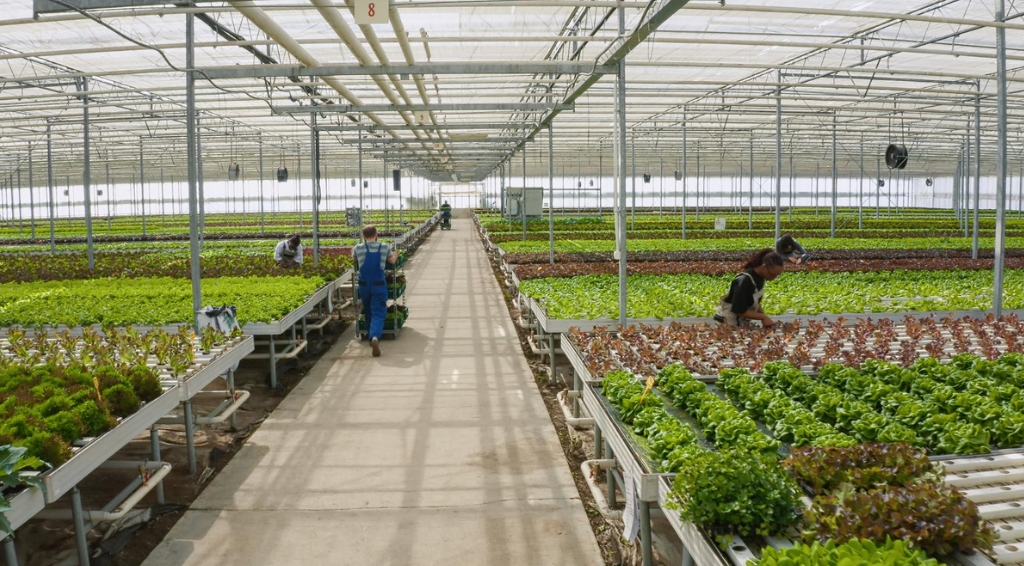
Retail chains such as Choithrams have expanded their offerings to include a wider range of organic, gluten-free, and plant-based products that support healthier eating. In Sharjah, the ‘Gheras’ brand, a division of the Sharjah Agricultural and Livestock Production Establishment, has launched a line of organic fruits and vegetables grown in the greenhouses of Al Dhaid, guaranteed to be free from genetic modification. In Saudi Arabia’s Taif province, traditional organic farming is practiced in terraced fields without synthetic fertilizers or pesticides, safeguarding the environment while supporting both crop cultivation and animal husbandry. Similarly, producers such as Yuzu Organic Farm in Oman are integrating modern technology into their organic systems, using advanced irrigation, sensor-based pest monitoring, and AI-driven data analysis to enhance yields and efficiency.
Together, these consumer trends, product innovations, and government initiatives are shaping a more sustainable and health-focused food ecosystem across the GCC. As awareness deepens and support structures strengthen, the region is steadily moving toward a future where health-conscious, organic, and locally sourced food choices become central to everyday consumption.



 4 min
4 min