4 min
4 min
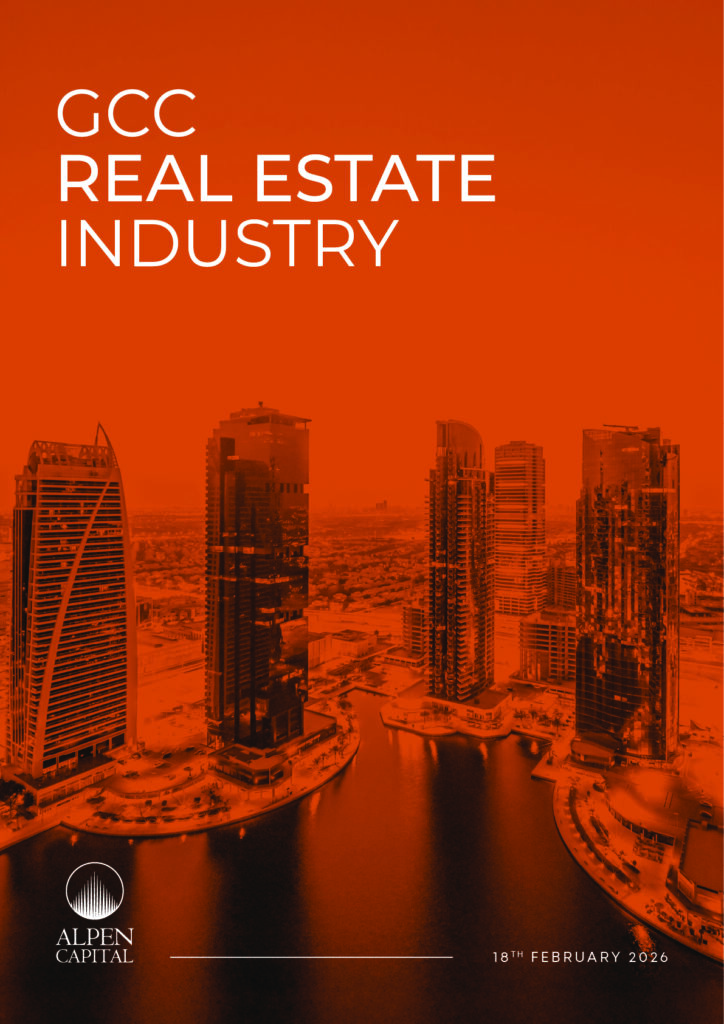
The GCC real estate sector is entering a phase wherein sustainability, asset quality and technology are shaping how properties are being developed, financed and managed. Alpen Capital’s maiden GCC Real Estate Industry Report identifies three key trends influencing this transition: the institutionalisation of green compliance and finance, a growing flight to quality, and accelerating digital transformation.
Embedding Sustainability into Real Estate
Sustainability is being embedded in the GCC real estate sector, with green-building standards gaining greater importance in the development and approval of projects. At the same time, green finance is emerging as an important source of capital for sustainable real estate development.
In Dubai, approximately 25,000 field inspections were conducted across around 18,800 buildings under construction during H1 2025, with a green compliance rate of 96%, representing a 36% increase in inspections compared with the same period in 2024. In Abu Dhabi, 385 new projects, comprising 304 projects at the design stage and 81 under construction, met Estidama Pearl Rating sustainability standards since the beginning of 2025. Other GCC markets are also strengthening their sustainability frameworks. In Qatar, the Global Sustainability Assessment System (GSAS) is being promoted across development projects, while Saudi Arabia integrated the 2024 Saudi Green Building Code into the national building permit and occupancy certification process.
The growing focus on sustainability is also reflected in the region’s financing landscape. Green bonds and sukuks issued in the Middle East more than doubled to approximately USD 24 billion in 2023, with the UAE and Saudi Arabia accounting for the majority, underscoring growing investor appetite for sustainability-linked instruments. Furthermore, the GCC’s green finance market reached approximately USD 30 billion in 2024, reflecting the cumulative mobilisation of capital into green loans, bonds, and other ESG-aligned instruments. To strengthen its green finance ecosystem the UAE launched its Green Finance Framework in 2023, and Saudi Arabia’s National Development Fund announced the Green Finance Strategy in 2024, which aims at directing concessional funding toward renewable energy and sustainable construction projects.
The Rise of Flight to Quality
Alongside sustainability, the GCC real estate market is witnessing a growing preference for higher-quality assets. Demand is shifting towards premium residential properties and Grade A commercial spaces as consumers, businesses and investors place greater emphasis on quality, location, design and long-term value. Across key markets such as Dubai, Riyadh, and Doha, developers are aligning new projects with evolving lifestyle and ESG preferences, while capital continues to consolidate around prime, income-yielding assets.
Dubai’s luxury residential market illustrates this trend. The city recorded 435 residential transactions valued at more than USD 10 million in 2024, the highest number recorded in a single year. The total value of these transactions exceeded USD 7.6 billion, while listings in this segment declined by 40%. Dubai remained one of the world’s leading luxury housing markets for the second consecutive year.
In Q3 2024, Grade A office availability in Doha fell to its lowest level since 2015, while West Bay occupancy reached its highest level since the same year, following significant government-related leasing activity.
This suggests that the GCC real estate story is increasingly moving beyond simply adding new supply. As markets mature, the quality, efficiency and long-term appeal of assets are becoming more important considerations for buyers and investors.
Accelerating Digital Transformation
Technology is also reshaping how real estate markets operate across the GCC. Governments are increasingly adopting blockchain, artificial intelligence and smart-service technologies to improve property registration, verification and transactions.
In Saudi Arabia, more than 700,000 digital title deeds were issued through the Real Estate Market Platform in Q1 2024, while property transfers and other real estate services are being delivered through digital platforms such as Najiz. The Ministry of Justice has also expanded the use of blockchain-based verification.
Qatar has similarly expanded its digital real estate infrastructure. The Sak application was updated in February 2025 to introduce features including QR-coded title deeds and secure electronic delivery through Qatar Post.
More broadly, electronic platforms introduced across the region during 2023–24 have facilitated property transactions, title-deed issuance and contract authentication.
The impact of digitalisation is extending beyond convenience. Greater digitisation is improving transparency, reducing transaction times, and strengthening verification, making technology an integral component of real estate market infrastructure.
Takeaway
For investors and developers, taking cognisance of these trends will be important to align future plans and activities with evolving consumer requirements while maintaining regulatory compliance. As GCC real estate markets continue to mature, sustainability compliance, asset quality and technological capability are likely to play a greater role in shaping future development and investment patterns. The ability to adapt to these shifts will therefore be critical to long-term success.



 5 min
5 min